
The intricate dance between architectural styles and construction materials has been a tale woven throughout the annals of architectural history compression testing machine function, showcasing the symbiotic relationship between form and function. From the majestic columns of ancient civilizations to the sleek lines of contemporary structures, each era has left its mark on the built environment. As we explore the interplay between design elements and the materials that bring them to life, a deeper understanding emerges of how these choices not only shape our surroundings but also shape our interactions within them.

Evolution of Architectural Styles
The evolution of architectural styles throughout history reflects the dynamic interplay between cultural influences, technological advancements, and societal values. From the ancient civilizations of Egypt and Mesopotamia to the classical architecture of Greece and Rome, each era has left a distinctive mark on the built environment. The transition from the grandeur of Gothic cathedrals to the simplicity of Renaissance palaces, and eventually to the sleek lines of modern skyscrapers, showcases the changing tastes and priorities of society.
During the Industrial Revolution, advancements in materials such as iron and steel revolutionized architectural design, allowing for taller buildings and more intricate structures. The rise of movements like Art Nouveau, Art Deco, and Modernism in the 19th and 20th centuries further demonstrated the impact of changing artistic and philosophical currents on architecture.
Impact of Construction Materials
Throughout the history of architecture, the choice of construction materials has significantly shaped the form, function, and aesthetics of built structures. From the grandeur of ancient stone temples to the sleek lines of modern glass skyscrapers, the materials used in construction play a vital role in defining the overall look and feel of a building.
The impact of construction materials goes beyond mere visual appeal automatic compression testing machine. Different materials offer varying levels of durability, insulation, and structural integrity, influencing the longevity and performance of a structure. For example, the use of steel beams allows for large open spaces in modern industrial buildings, while the incorporation of traditional timber framing imparts a warm and inviting atmosphere to residential homes.
Furthermore, the choice of construction materials often reflects cultural preferences, environmental concerns, and technological advancements of the time. As technology continues to advance, architects and builders have access to an increasingly diverse array of materials, allowing for greater creativity and innovation in architectural design. The evolution of construction materials continues to shape the architectural landscape, offering endless possibilities for future structures.
Harmony in Design Choices
Harmony in design choices is essential for creating aesthetically pleasing and functional architectural structures.
Consistency in materials ensures a unified and coherent appearance, while balance in elements contributes to the overall visual appeal and structural integrity.
Additionally, cohesion in styles helps tie together different architectural elements to create a harmonious and well-designed building.
Consistency in Materials
Achieving a cohesive architectural design relies heavily on the strategic implementation of consistent construction materials throughout the structure. Consistency in materials not only provides visual harmony but also conveys a sense of unity and purpose in the overall design. Throughout history, architects have utilized this principle to create buildings that stand the test of time.
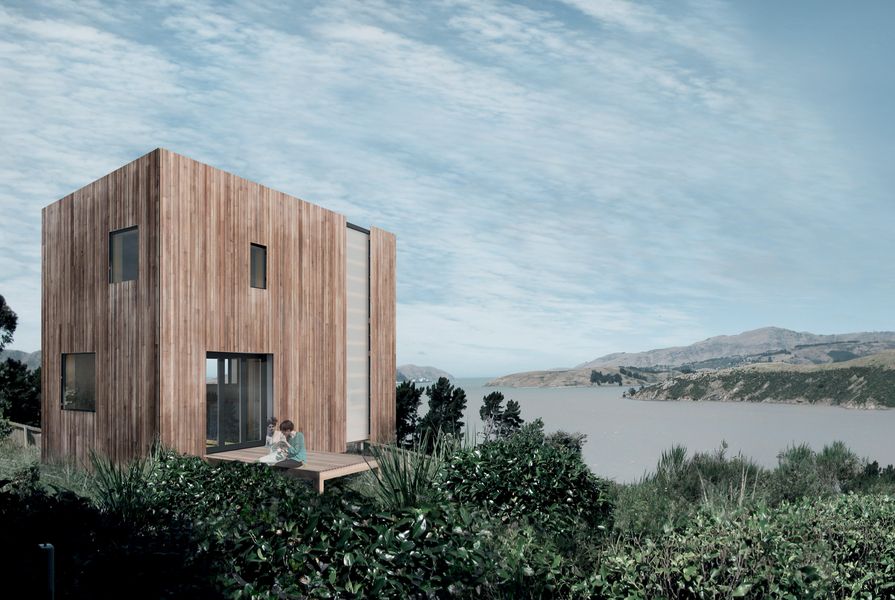
By carefully selecting materials that complement each other in color, texture, and style, designers can evoke a sense of continuity and coherence in their creations. From ancient civilizations using uniform stone blocks to modern architects integrating glass and steel, the use of consistent materials has been a fundamental aspect of architectural practice.
This approach ensures that every element of the structure contributes to a unified and impactful aesthetic experience for those who interact with the building.
Balance in Elements
In architectural design, achieving a sense of balance in elements is paramount to creating a harmonious composition that resonates with both the structure’s purpose and aesthetic vision. Balance can be achieved through the distribution of visual weight in a way that creates equilibrium.
This can be done through symmetrical arrangements, where elements are mirrored on either side of a central axis, or asymmetrical compositions, where different elements are arranged to create a sense of balance through contrast.
Historical architectural styles often showcase different approaches to achieving balance, from the symmetrical designs of classical Greek architecture to the more dynamic and asymmetrical compositions of Gothic architecture. By carefully considering the placement of elements and their visual impact, architects can create buildings that exude a sense of harmony and unity.
Cohesion in Styles
The integration of various architectural styles into a cohesive design framework has been a longstanding endeavor in the evolution of architectural history. Achieving harmony in design choices involves a delicate balance between preserving the distinct characteristics of each style while creating a unified and coherent aesthetic. Architects often employ techniques such as proportion, scale, rhythm, and materiality to ensure that disparate elements merge seamlessly within a single structure.
Sustainable Building Practices
Sustainable building practices have gained significant traction in recent years, focusing on the use of green building materials and energy-efficient design.
The emphasis on environmentally friendly construction methods has deep historical roots, with early examples dating back to ancient civilizations that utilized natural resources in their architecture.
Today, the push towards sustainable building practices continues to evolve, driven by a growing awareness of the importance of reducing carbon footprints and conserving resources for future generations.
Green Building Materials
Exploring the evolution of architectural design, one cannot overlook the pivotal role that green building materials have played in revolutionizing sustainable construction practices. Green building materials are designed to have a minimal impact on the environment throughout their lifecycle. These materials are often sourced from renewable resources, recycled content, or are highly energy-efficient.
Examples include bamboo, reclaimed wood, recycled metal, and sustainable concrete. The use of green building materials not only reduces the carbon footprint of construction projects but also promotes healthier indoor environments for occupants. Additionally, these materials can help lower energy costs over time and contribute to the overall sustainability of a building.
Embracing green building materials is a significant step towards creating a more eco-friendly and resilient built environment.
Energy-Efficient Design
Energy-efficient design in architecture has become a cornerstone of sustainable building practices. It influences the way structures are conceptualized and constructed to minimize energy consumption and environmental impact. This approach integrates various strategies such as passive solar design, proper insulation, energy-efficient windows, and renewable energy systems to enhance a building’s performance while reducing its carbon footprint.
Historically, energy-efficient design has evolved in response to the growing awareness of climate change and the need to decrease reliance on fossil fuels. By prioritizing energy efficiency, architects and builders can create spaces that not only promote environmental responsibility but also offer long-term cost savings and improved comfort for occupants.
Embracing energy-efficient design is essential in moving towards a more sustainable and resilient built environment.
Innovations in Modern Architecture
Amidst the ever-evolving landscape of architectural design, the realm of modern architecture has witnessed a profound shift towards groundbreaking innovations that redefine the boundaries of structural possibilities and aesthetic norms. One notable innovation is the use of sustainable and eco-friendly materials in construction. Architects are increasingly incorporating materials such as recycled steel, bamboo, and reclaimed wood to create environmentally conscious structures that minimize their carbon footprint.
Furthermore, advancements in technology have revolutionized the way buildings are designed and constructed. The integration of parametric design software allows architects to generate complex geometric forms that were previously unattainable. 3D printing has also emerged as a game-changer in the industry, enabling the rapid prototyping of architectural elements and even entire buildings.
Additionally, the concept of adaptive reuse has gained traction in modern architecture, promoting the renovation and repurposing of existing structures rather than demolishing and rebuilding. This approach not only reduces waste but also preserves the historical and cultural significance of older buildings. Overall, these innovations in modern architecture signify a shift towards more sustainable, efficient, and aesthetically daring designs.
Cultural Influences on Building Design
Through a comprehensive examination of historical contexts and societal values, the influence of culture on building design emerges as a fundamental aspect shaping architectural forms and functions. Cultural influences on building design are deeply rooted in the traditions, beliefs, and lifestyles of a particular society.
For example, in Islamic architecture, intricate geometric patterns and mosaics are prevalent, reflecting the Islamic prohibition of depicting living beings. Similarly, the minimalist design aesthetic in Japanese architecture stems from the Zen philosophy of simplicity and the connection to nature.
Moreover, cultural influences can dictate the choice of construction materials and techniques. In regions prone to earthquakes, like Japan, buildings are designed with flexible wooden structures to withstand the impact of seismic activities. In contrast, the adobe buildings in Southwestern United States reflect the Native American cultural heritage and the use of locally sourced materials.
Understanding these cultural influences is crucial for architects and designers to create buildings that resonate with the communities they serve, blending functionality with cultural significance.
Conclusion
In conclusion, the evolution of architectural styles and construction materials has been a driving force in shaping the built environment throughout history. The impact of these choices on the aesthetics, functionality, and durability of buildings cannot be overstated.
By embracing sustainable practices, integrating diverse materials, and drawing inspiration from cultural influences, architects continue to push the boundaries of creativity and innovation in modern architecture. It is through this harmonious blend of design choices that we see the enduring legacy of human ingenuity in the built world.